Lab Members


Daria Mochly-Rosen, Ph.D.

Professor

Email: mochly@stanford.edu

Books:
A Practical Guide to Drug Development in Academia: The SPARK Approach
The Life Machines: How Taking Care of Your Mitochondria Can Transform Your Health

Dr. Daria Mochly-Rosen received her B.Sc. at Tel Aviv University and her doctorate in Chemical Immunology from the Weizmann Institute of Science in Israel. After two years of postdoctoral training with Dr. Dan Koshland Jr, at UC Berkeley, she spent seven years at UC San Francisco (as Assistant and Associate Professor in Residence in the departments of Neurology and Pharmacology). Dr. Mochly-Rosen joined Stanford University, School of Medicine in 1993 where she is a Professor in the Department of Chemical and Systems Biology; she served as Chair of this department for four years. In 2005, she was appointed the Senior Associate Dean for Research in the School of Medicine, a position she held until 2013.

Dr. Mochly-Rosen is a protein chemist who used her basic research discoveries to develop a number of drugs for human diseases. Dr. Mochly-Rosen’s effort has been focused on basic research in signal transduction and its translation into drugs that address unmet clinical needs. She has been studying a family of enzymes called protein kinase C. Her laboratory developed a rational approach to identify novel and specific peptide inhibitors of protein-protein interactions for each member of this family of enzymes. She shared these research tools with over a hundred laboratories, which greatly advanced the field. These tools, and her laboratory work in applying these tools for cardiovascular research, provided the foundation for KAI Pharmaceuticals Inc. (2003; acquired by Amgen, 2012). Since then, she has expanded her focus to include the ALDH family of enzymes, and her laboratory has developed both inhibitors and activators of specific ALDH isoforms. These tools show promise in cardiovascular disease, Fanconi anemia, alcohol metabolism deficiency and oncology. This work forms the basis for Dr. Mochly-Rosen’s newest effort, ALDEA Pharmaceuticals, Inc. (2011).


STAFF:

Kathy Johnson

Executive Assistant

Email: kathyj1@stanford.edu

Kathy Johnson joined the Department of Chemical and Systems Biology in March 2004 and has been assisting Dr. Daria Mochly-Rosen since 2012. Kathy is currently supporting the Mochly-Rosen lab and is the Executive Assistant to Dr. Mochly-Rosen and Dr. Kevin Grimes as part of the SPARK at Stanford program. Kathy has 2 daughters, a grandson and a new baby granddaughter. She is also the mother of a fur baby named Loki and enjoys spending her time off at anything Disney related.

SENIOR SCIENTISTS:

Che-Hong Chen, Ph.D.

Senior Research Scientist

Email: chehong@stanford.edu

Che-Hong, a molecular biologist and geneticist, has been working with Prof. Daria Mochly-Rosen’s laboratory at Stanford University for the past 24 years. Che-Hong’s early research includes the characterization of the first intra-cellular receptor for protein kinase C and its protein-protein interaction with other signaling molecules. Che-Hong also studied the role of ethanol-mediated cardioprotection against ischemia-reperfusion injuries. His research demonstrated that acute ethanol protects the heart from ischemic events by mimicking cardiac preconditioning. Several protein kinase C substrates involved in this ethanol-induced protective mechanism have been identified in his research; among them is an important detoxifying enzyme aldehyde dehydrogenase (ALDH).

More recently, Che-Hong has been focusing on the function of ALDH multi-gene family and its association with human diseases. By high throughput screening of small molecule libraries, Che-Hong pioneered the discovery of a class of novel enzyme activators and inhibitors of aldehyde dehydrogenase (Aldas & Aldis). Many of the 19 human ALDH isozymes and their mutations have been implicated in diseases caused by the accumulation of toxic aldehdyes and oxidative stress. Aldas have been shown to be effective in enhancing cell’s detoxifying capacity both in vitro and in vivo. The discovery of Aldas & Aldis as a unique class of enzyme modulators carries a great potential for drug development for a wide range of human diseases. Che-Hong’s current research focuses on the isolation and characterization of ALDH modulators and the understanding of the basic molecular interaction between ALDH and these small molecules. One of the mutations in the ALDH gene family is the common East Asian-specific point mutation of ALDH2 which is present in nearly 560 million people or 8% of the world population and causes the well-known Asian Alcohol Flushing Syndrome. The ALDH2 mutation leads to a deficiency in the capacity of aldehyde detoxification and is associated with high risks of acetaldehyde-induced cancers and other diseases. Using an ALDH2 deficient mouse model, Che-Hong is currently identifying molecular and pathological targets that are susceptible to toxic and reactive aldehydes. In addition to the study of enzyme deficiency in ALDH, Che-Hong is also interested in applying what has learned from the ALDH project to another common human metabolic enzyme deficiency of glucose-6-phosphate dehydrogenase (G6PD).

Since 2015, Che-Hong has organized a Stanford-Taiwan ALDH2 Deficiency Research (STAR) consortium which is devoted to the promotion of multidisciplinary collaboration of basic and clinical research on ALDH2 deficiency related diseases. The mission of the consortium also includes public health education and public awareness of ALDH2 deficiency and acetaldehyde toxicity in particular for the East Asians. Che-Hong currently serves as the Chief Executive Officer and Vice President of the STAR consortium.

Email: chehong@stanford.edu

POSTDOCTORAL SCHOLARS:

Gwangbeom Heo, Ph.D.

Email: gbheo@stanford.edu

Gwangbeom was born and raised in South Korea. He received his Pharm.D. and Ph.D. from Pusan National University in South Korea. For his Ph.D., he studied the role of autotoxin and lipid rafts in rheumatoid arthritis and osteoclastogenesis. He joined the Mochly-Rosen lab in September 2022. He is currently working on targeting pathological mitochondrial changes under oxidative stress to develop new therapeutics.

Abir Mondal, Ph.D.

Email: abirm@stanford.edu

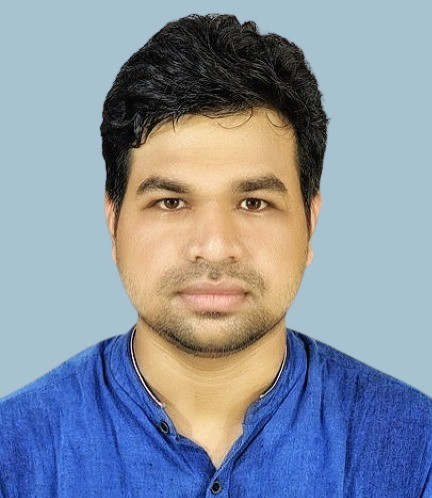
Abir was born and raised in a small village near the Sundarbans in Bengal, India. He pursued his B.Sc. (Honours) in Physiology at Presidency College (under the University of Calcutta), Kolkata. He then completed his Master’s in Biophysics and Molecular Biology at the University of Calcutta. After that, he gained five years of predoctoral research experience in basic Neuroscience, Glioblastoma, and Extracellular Vesicles at National Institutes such as NBRC and NCCS in India. He subsequently completed his Ph.D. on “Deciphering the functional dichotomy of glucose-6-phosphate dehydrogenase in neuroinflammation for therapeutics development” in the Department of Life Sciences at Shiv Nadar Institution of Eminence, India. On June 9, 2025, he joined Prof. Daria’s lab as a Postdoctoral Scholar. Currently, he is elucidating the role of G6PD in intraorganellar homeostasis in human health and disease. In his free time, he enjoys photography, writing science comics and poems, and drawing.

Takuya Seike, Ph.D.

Email: seiket@stanford.edu

Takuya was born and raised in Oita Prefecture (Japan). He graduated from Kanazawa University School of Medicine and practiced medicine for 10 years as a gastroenterologist under the guidance of Prof. Shuichi Kaneko. He conducted research on the analysis of T-cells in fatty liver patients and the pathophysiology of steatohepatitis based on lysosomal dysfunction with Prof. Eishiro Mizukoshi and Dr. Tetusmori Yamashima. In November 2022, he joined the Mochly-Rosen lab to focus on the relationship between the brain and liver, analyzing the effects of enzyme deficiency in aldehyde dehydrogenase (ALDH) and alcohol. Together with Che-Hong, he is also conducting an educational campaign on “Alcohol and ALDH2 Polymorphisms”.


Xinran (Sharon) Tian, Ph.D.

Email: sxtian@stanford.edu

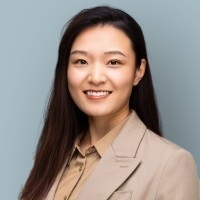
Xinran (Sharon) was born and raised in China. She earned her B.S. in Chemical Biology from the University of California, Berkeley, and her Ph.D. in Biochemistry from the University of California, Santa Barbara. For her doctoral research, she investigated protective mechanisms against Alzheimer’s disease in APOE3-Christchurch astrocytes. She joined the DMR lab in March 2025 and is currently studying the cellular neuropathology of ALDH4A1 variants and pursuing drug discovery to identify potential activators.


VISITING RESEARCHERS:

© 2022 SJSU, photo by Robert C. Bain, University Photographer, ALL RIGHTS RESERVED

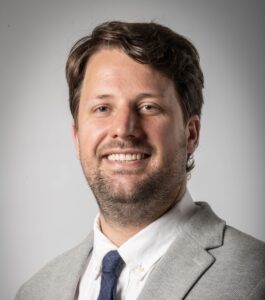
Dr. Patrick Jurney is an Associate Professor of Biomedical Engineering at San José State University and the Kordestani Endowed Chair. He is currently a Visiting Scholar in Daria Mochly-Rosen’s lab at Stanford University, where his research focuses on endothelial cell mechanotransduction of fluid shear stress and its impact on mitochondrial dynamics and metabolism. His expertise spans cardiovascular biomaterials, microfluidics, and advanced imaging, with the aim of connecting fundamental mitochondrial biology to cardiovascular disease progression and therapeutic development.